PROJECT 01 — STICKERLAB
AI TO
NEXT LEVEL.
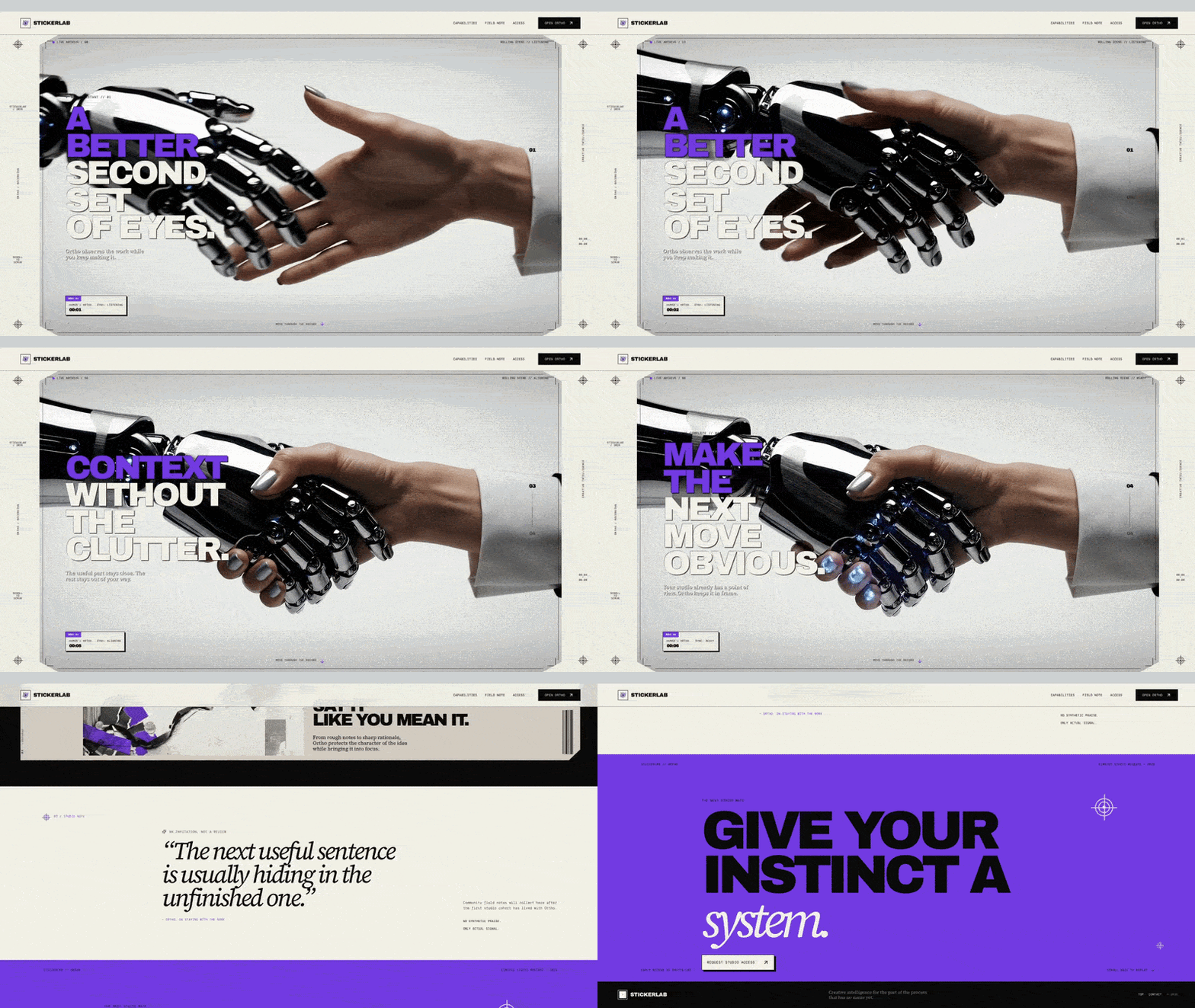
A responsive intelligence system that observes the work in real time without interrupting the human point of view.
AI ASSISTANT · PRODUCT DESIGN · UX/UI
ROLE: DESIGNER - 2026
02 — THE WHY
THE
REASON.
StickerLab Ortho began with a simple question: What if an assistant could pay attention to the work without taking it away from the person making it? Ortho was shaped as a second set of eyes: present enough to notice patterns, quiet enough to leave the final decision with the human.
03 — THE IDEA
THE
CONCEPT.
ONE ASSISTANT → MANY MOMENTS
Brief → Observe → Guide → Action
04 — THE SHAPE
THE
SYSTEM.
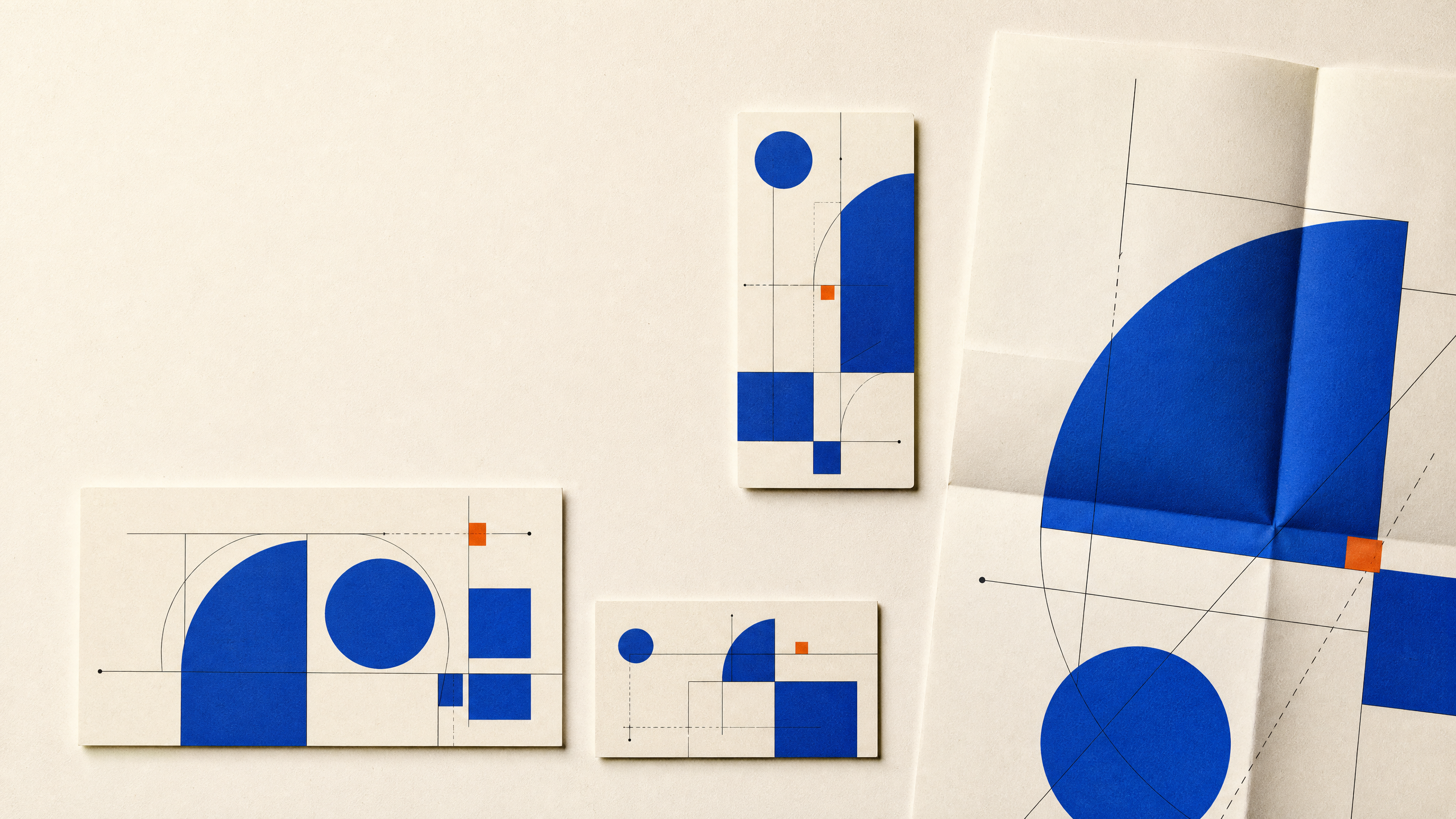
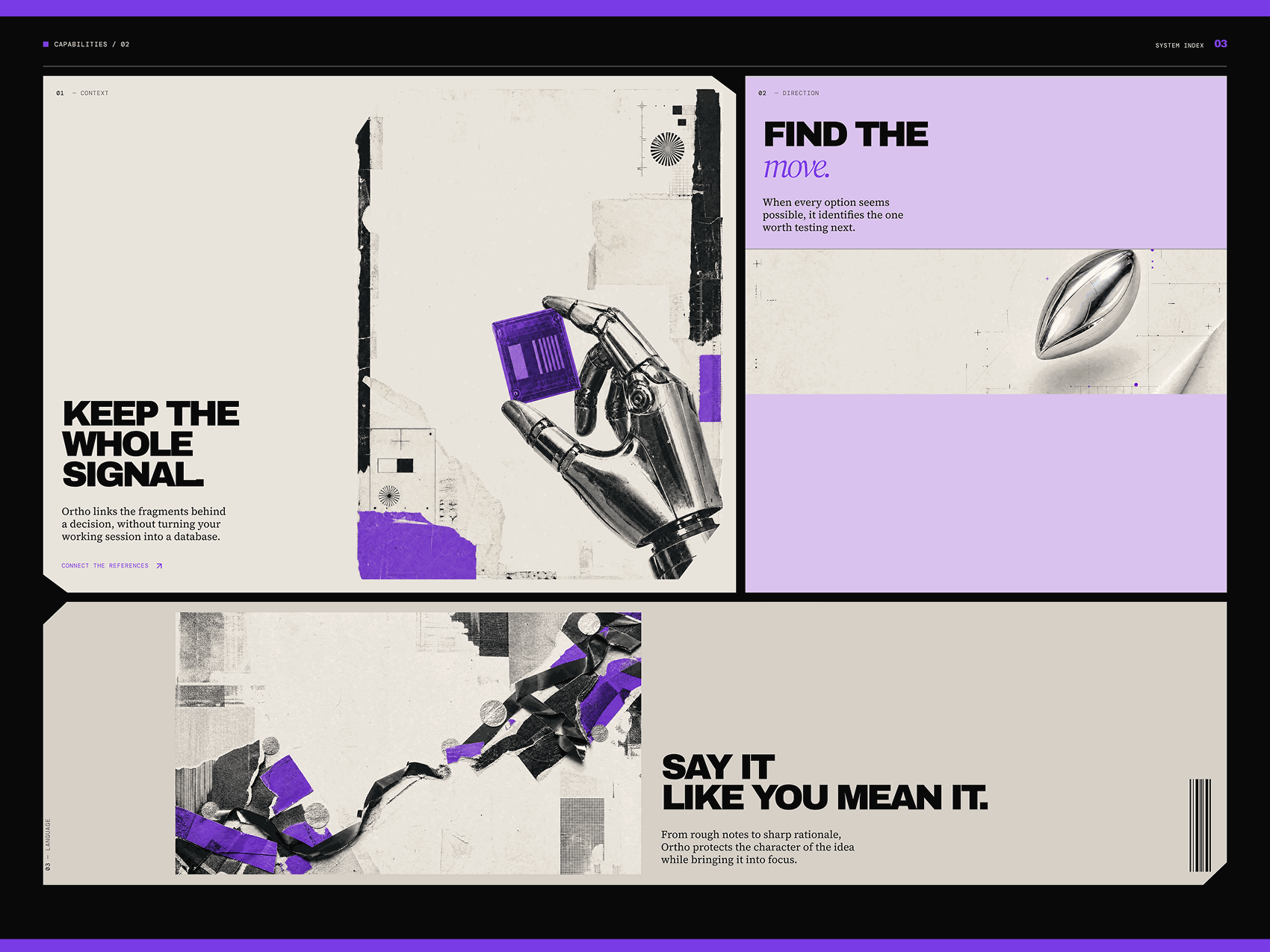
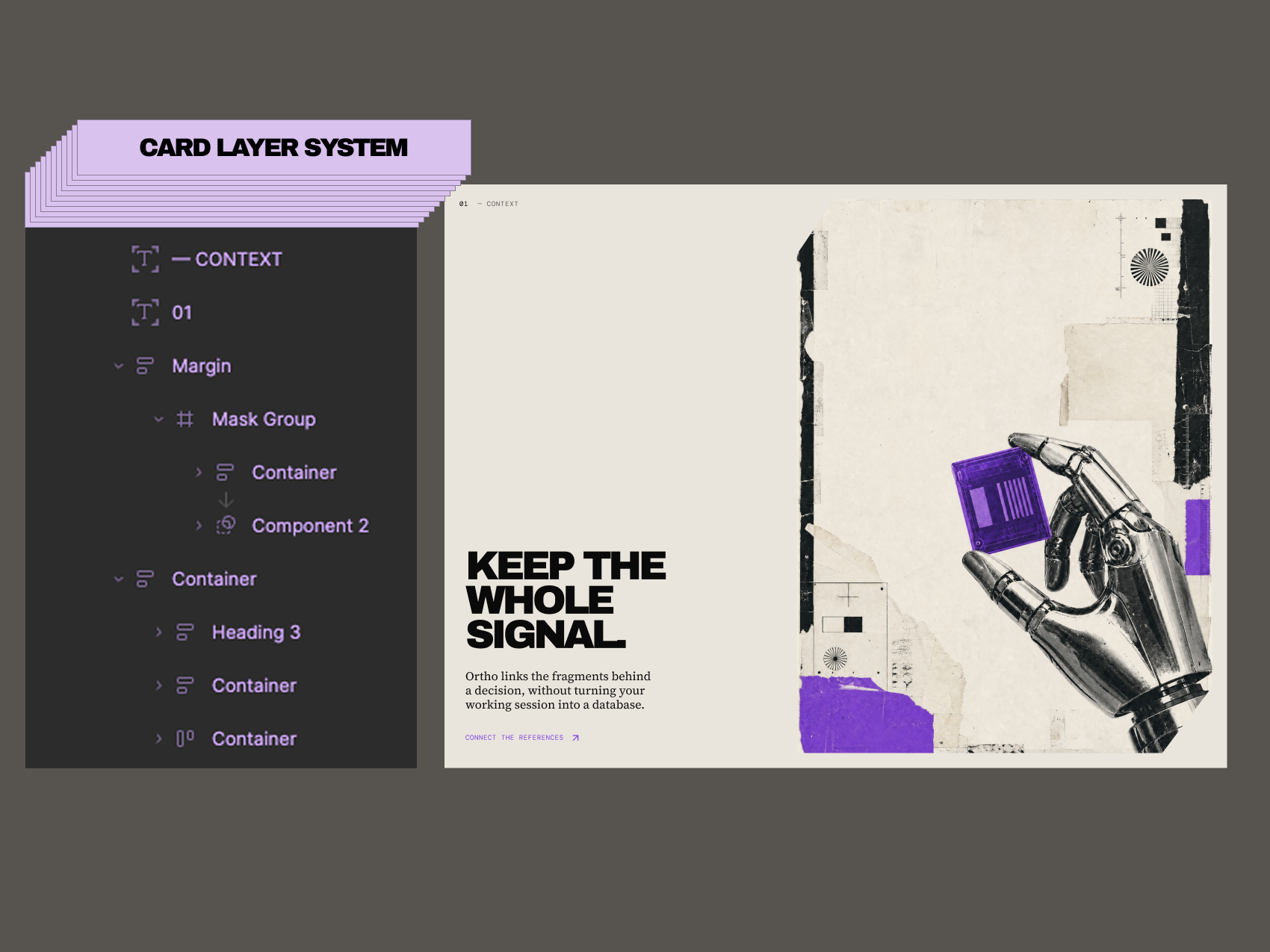
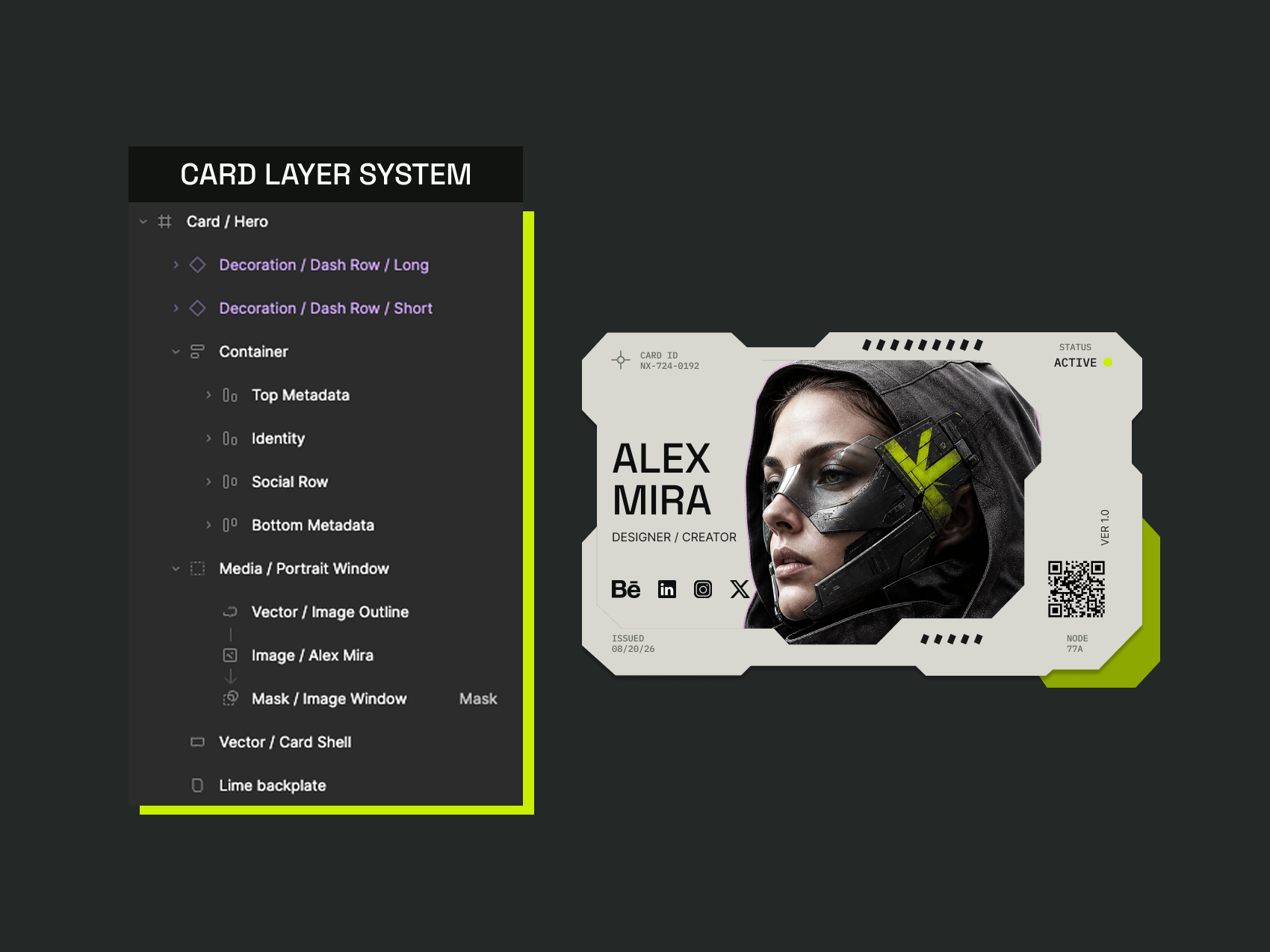
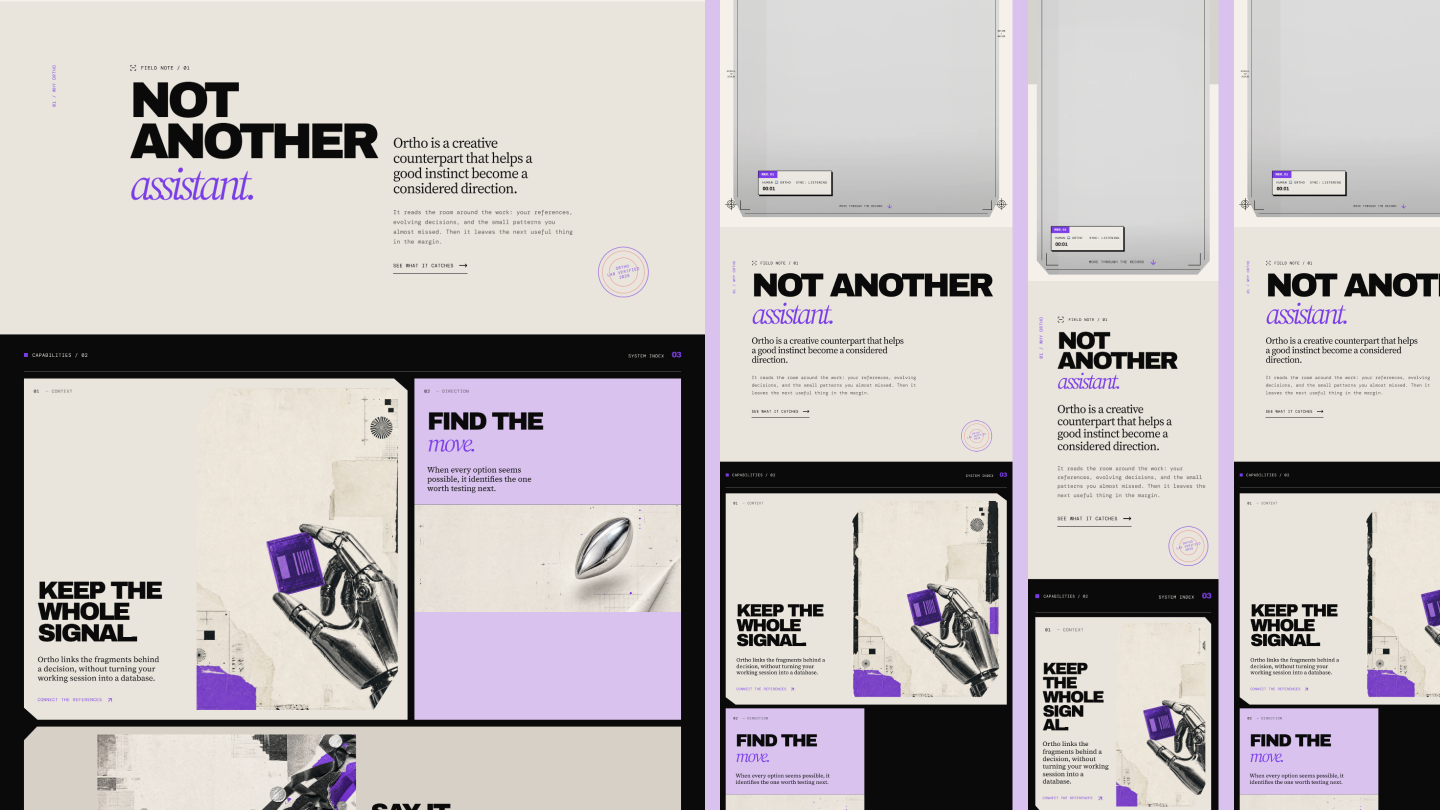
The visual language stays recognizable through its recurring pieces: precise type contrast, chrome evidence, a single signal-red action, sturdy components, and a grid that changes without breaking the identity. Every element is designed to feel observed, indexed, and ready to move—from a quiet note beside the canvas to a decisive prompt in the middle of the workflow.
05 — THE EXPERIENCE
INSIDE
NODAL.
01
OBSERVE
Let Ortho read the work as it takes shape.
02
ORIENT
See the useful signal before the next move.
03
SUPPORT
Carry the decision forward without losing your voice.
06 — THE DETAILS
SMALL THINGS
MATTER.
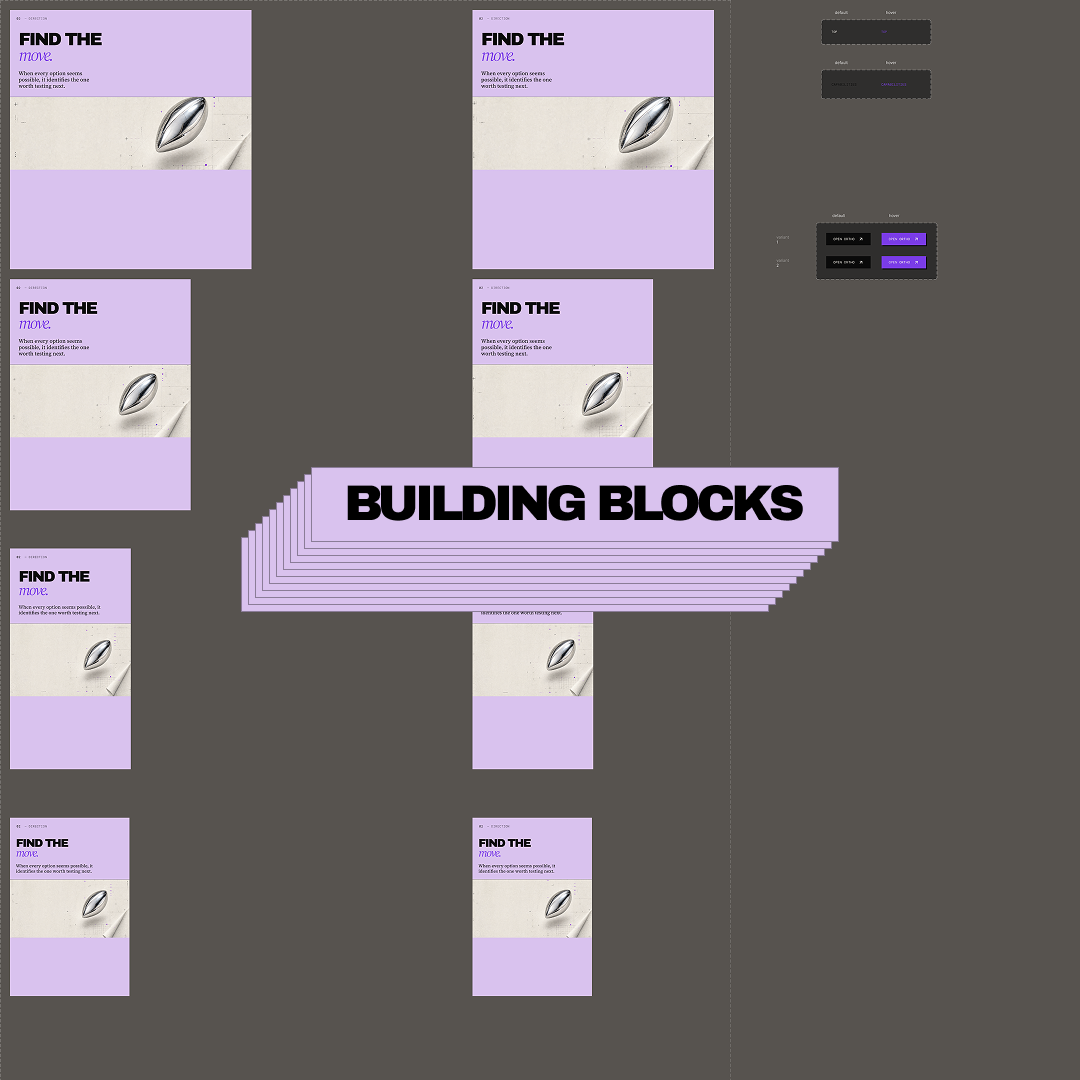
Clarity is a form of care. Good assistance is a sum of clear decisions. Small shifts in spacing, type contrast, component states, and transition logic keep Ortho human as it moves between observation and action. The interface makes room for uncertainty, then answers with just enough structure to help the work continue.
07 — THE OUTCOME
WHERE IT
LANDED.
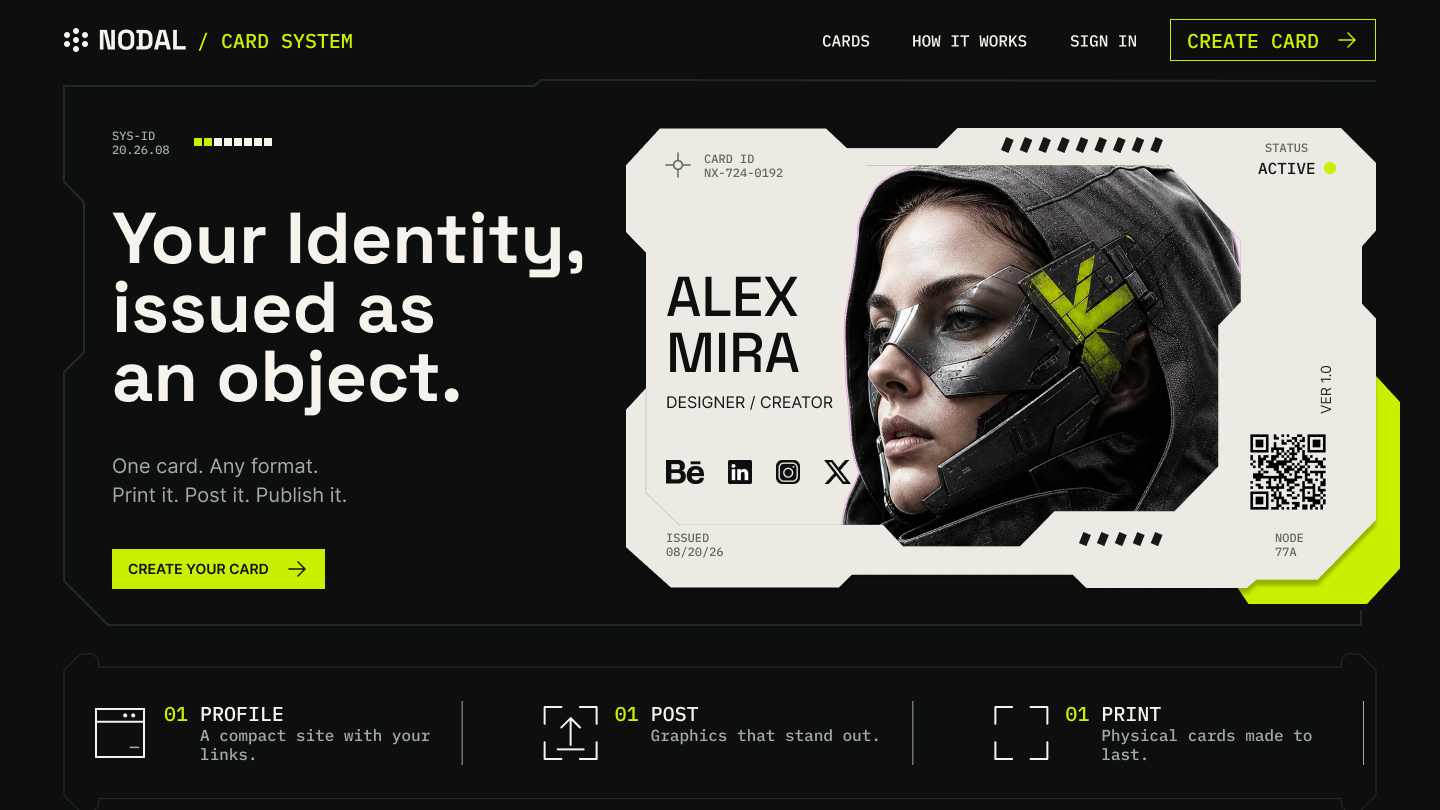
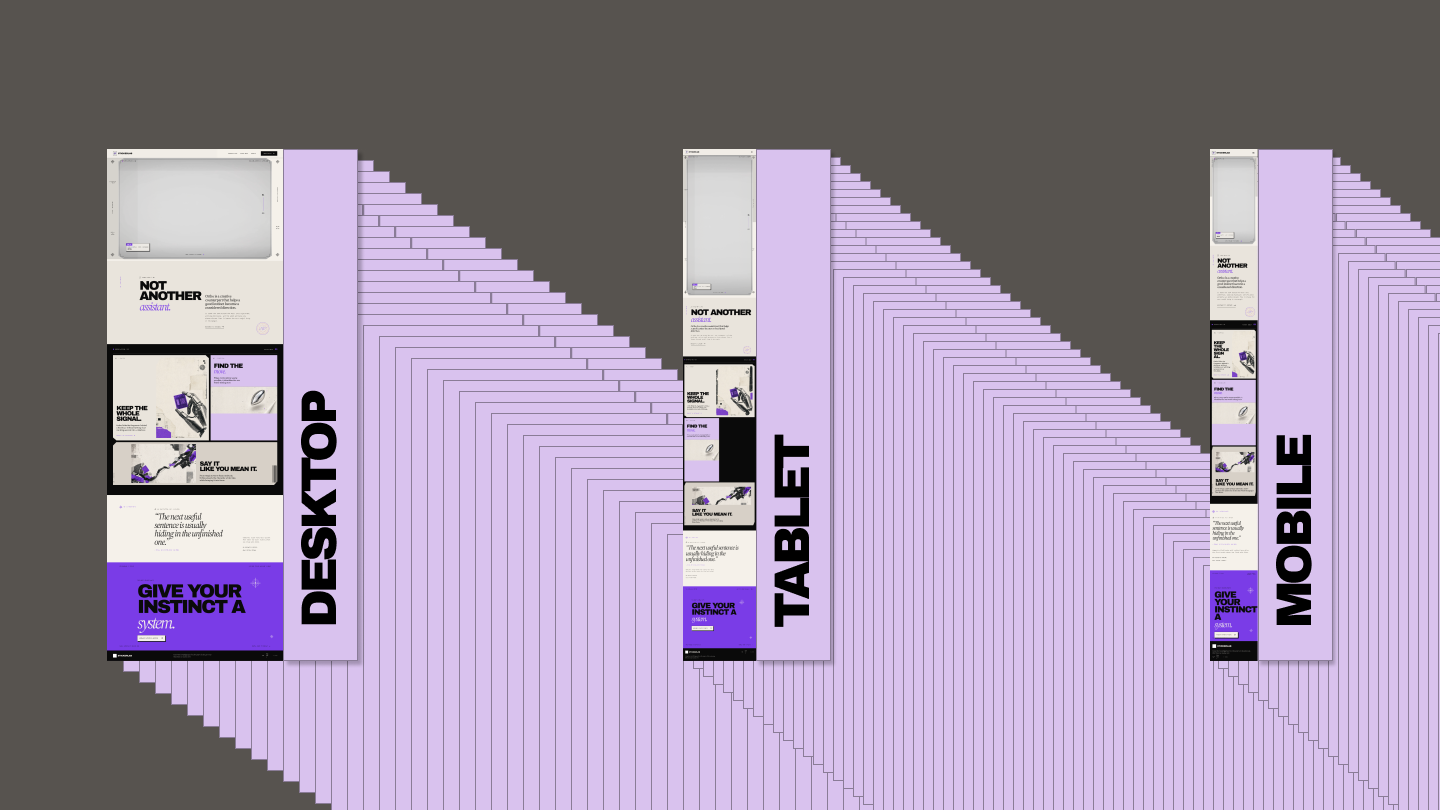
NODAL is designed to work across PRINT, SOCIAL, and WEB while holding the same industrial character and technical precision.
08 — THE REFLECTION
Ortho taught me how to design an assistant that does not compete with the person using it—but makes more room for their point of view. The system is not tied to a single prompt or a single screen. It moves naturally between watching, interpreting, and responding, keeping the human hand at the center of the work.
PROJECT 01 — STICKERLAB
AI TO
NEXT LEVEL.
A responsive intelligence system that observes the work in real time without interrupting the human point of view.
AI ASSISTANT · PRODUCT DESIGN · UX/UI
ROLE: DESIGNER - 2026
02 — THE WHY
THE
REASON.
StickerLab Ortho began with a simple question: What if an assistant could pay attention to the work without taking it away from the person making it? Ortho was shaped as a second set of eyes: present enough to notice patterns, quiet enough to leave the final decision with the human.
03 — THE IDEA
THE
CONCEPT.
ONE ASSISTANT → MANY MOMENTS
Brief → Observe → Guide → Action
04 — THE SHAPE
THE
SYSTEM.
The visual language stays recognizable through its recurring pieces: precise type contrast, chrome evidence, a single signal-red action, sturdy components, and a grid that changes without breaking the identity. Every element is designed to feel observed, indexed, and ready to move—from a quiet note beside the canvas to a decisive prompt in the middle of the workflow.
05 — THE EXPERIENCE
INSIDE
NODAL.
01
OBSERVE
Let Ortho read the work as it takes shape.
02
ORIENT
See the useful signal before the next move.
03
SUPPORT
Carry the decision forward without losing your voice.
06 — THE DETAILS
SMALL THINGS
MATTER.
Clarity is a form of care. Good assistance is a sum of clear decisions. Small shifts in spacing, type contrast, component states, and transition logic keep Ortho human as it moves between observation and action. The interface makes room for uncertainty, then answers with just enough structure to help the work continue.
07 — THE OUTCOME
WHERE IT
LANDED.
NODAL is designed to work across PRINT, SOCIAL, and WEB while holding the same industrial character and technical precision.
08 — THE REFLECTION
Ortho taught me how to design an assistant that does not compete with the person using it—but makes more room for their point of view. The system is not tied to a single prompt or a single screen. It moves naturally between watching, interpreting, and responding, keeping the human hand at the center of the work.
PROJECT 01 — STICKERLAB
AI TO
NEXT LEVEL.
A responsive intelligence system that observes the work in real time without interrupting the human point of view.
AI ASSISTANT · PRODUCT DESIGN · UX/UI
ROLE: DESIGNER - 2026
02 — THE WHY
THE
REASON.
StickerLab Ortho began with a simple question: What if an assistant could pay attention to the work without taking it away from the person making it? Ortho was shaped as a second set of eyes: present enough to notice patterns, quiet enough to leave the final decision with the human.
03 — THE IDEA
THE
CONCEPT.
ONE ASSISTANT → MANY MOMENTS
Brief → Observe → Guide → Action
04 — THE SHAPE
THE
SYSTEM.
The visual language stays recognizable through its recurring pieces: precise type contrast, chrome evidence, a single signal-red action, sturdy components, and a grid that changes without breaking the identity. Every element is designed to feel observed, indexed, and ready to move—from a quiet note beside the canvas to a decisive prompt in the middle of the workflow.
05 — THE EXPERIENCE
INSIDE
NODAL.
01
OBSERVE
Let Ortho read the work as it takes shape.
02
ORIENT
See the useful signal before the next move.
03
SUPPORT
Carry the decision forward without losing your voice.
06 — THE DETAILS
SMALL THINGS
MATTER.
Clarity is a form of care. Good assistance is a sum of clear decisions. Small shifts in spacing, type contrast, component states, and transition logic keep Ortho human as it moves between observation and action. The interface makes room for uncertainty, then answers with just enough structure to help the work continue.
07 — THE OUTCOME
WHERE IT
LANDED.
Ortho is designed to work beside the maker—in the brief, across the canvas, and through the review—while holding the same character. BRIEF · WORK · REVIEW
08 — THE REFLECTION
Ortho taught me how to design an assistant that does not compete with the person using it—but makes more room for their point of view. The system is not tied to a single prompt or a single screen. It moves naturally between watching, interpreting, and responding, keeping the human hand at the center of the work.